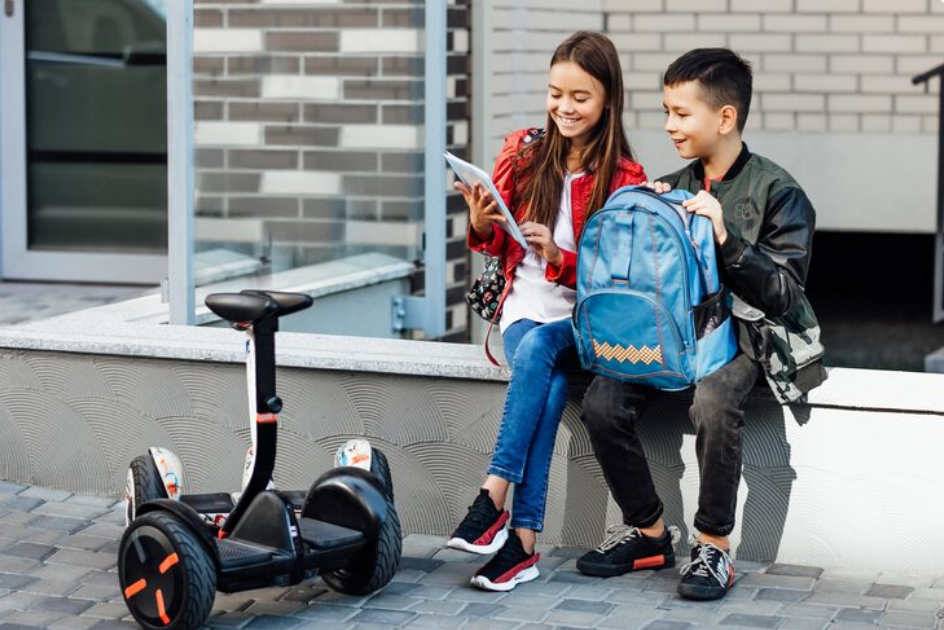
Scoot education is a phrase that can be associated with learning experiences, student mobility, and educational transportation concepts involving scooters or other compact forms of transportation. As schools and communities explore new approaches to accessibility, independence, physical activity, and sustainable transportation, mobility can become an important part of the broader educational experience. Understanding how transportation connects with education can help schools, families, and students think about safe travel, active lifestyles, environmental responsibility, and access to learning opportunities. The concept can also be explored alongside technology, transportation planning, outdoor learning, and student development.
What Is Scoot Education?
The term scoot education can have different meanings depending on context. In a broad educational setting, it can refer to learning activities or programs connected with scooters, personal mobility, transportation awareness, or student travel.
Scooters can provide a practical way for some students to travel short distances, participate in outdoor activities, or learn about mobility and transportation. When incorporated into educational programs, they can become tools for teaching subjects such as road safety, environmental awareness, physical activity, and responsible transportation.
The concept can also include educational technology or organizations that use the word Scoot as part of their name. Therefore, anyone researching the term should consider the specific context in which it is being used.
Why Transportation Matters in Education
Transportation has a direct relationship with access to education. Students need reliable and safe ways to reach schools, libraries, sports facilities, community centers, and other learning environments.
For some students, walking, cycling, scooters, buses, and other transportation options can complement traditional school transportation. Short-distance mobility can make it easier to reach nearby destinations while encouraging students to develop independence.
Transportation can also affect attendance and participation. When students face difficulties getting to educational activities, their opportunities to participate may be reduced.
For this reason, schools and communities increasingly consider transportation as part of broader educational planning rather than viewing it as a completely separate issue.
Scooters as Learning Tools
A scooter can be more than a means of transportation. In an appropriate educational setting, it can become a tool for experiential learning.
Students can learn how balance, movement, friction, momentum, and force influence transportation. These concepts can be connected to science and physics lessons.
Teachers can also use scooters to introduce discussions about urban design, transportation systems, accessibility, and environmental impact.
For younger students, scooter-based activities may support coordination and movement skills when conducted in a suitable and supervised environment.
The educational value comes from connecting physical activity with structured learning rather than simply allowing students to ride.
Safety Education and Scooters
Safety is one of the most important considerations when scooters are used by students. Educational programs should emphasize responsible behavior before students participate in scooter-related activities.
Lessons may cover protective equipment, visibility, traffic awareness, pedestrian rules, speed control, appropriate riding areas, and awareness of other road users.
Students should also learn that different locations have different transportation rules. A scooter that is appropriate for a designated recreational area may not be suitable for every road or sidewalk.
Schools and families can use age-appropriate instruction to help students understand risks and make responsible decisions.
Safety education should be treated as an ongoing process rather than a single lesson.
Scoot Education and Physical Activity
Education increasingly recognizes the relationship between movement and overall student development. Scooter activities can provide opportunities for physical movement while giving students an engaging outdoor experience.
Depending on the activity, riding may involve balance, coordination, posture, leg movement, and spatial awareness.
Physical activity can also provide a break from prolonged sitting. Schools may incorporate movement into outdoor programs, recreation, or physical education where appropriate.
However, scooter activities should be selected according to students’ ages, abilities, supervision requirements, and local safety conditions.
Environmental Learning
Scooters can also provide an opportunity to introduce environmental topics. Short-distance transportation choices can lead to discussions about energy use, emissions, congestion, urban planning, and sustainable mobility.
Students can compare different transportation methods and examine their advantages and limitations.
For example, a classroom project could ask students to study how people travel to school and identify opportunities for safer or more environmentally responsible transportation.
The objective should not be to present one transportation method as suitable for everyone. Instead, students can learn how transportation decisions depend on distance, infrastructure, accessibility, weather, safety, and individual needs.
Scoot Education and Technology
Modern mobility increasingly combines physical transportation with digital technology. Some scooters may incorporate electronic systems, mobile applications, tracking features, or battery-powered components.
These technologies can create opportunities for interdisciplinary learning.
Students can investigate battery technology, electric motors, sensors, data collection, software, navigation, and energy efficiency. Such activities can connect transportation with science, technology, engineering, and mathematics.
Technology can also help students analyze transportation patterns. For example, a classroom project could involve collecting information about travel distances or transportation choices and presenting the results through charts.
These activities can turn everyday mobility into an opportunity for practical learning.
Incorporating Scooters Into Physical Education
Physical education programs may use wheeled activities to develop coordination, balance, and movement awareness. Scooters can be considered alongside other activities when facilities and safety requirements make their use appropriate.
Teachers can design structured activities rather than unrestricted riding. Students might complete controlled movement exercises, balance challenges, or designated courses.
Such activities can help students practice following instructions, controlling movement, maintaining awareness of their surroundings, and cooperating with classmates.
Equipment should be inspected regularly, and activities should be supervised by qualified staff according to the school’s policies.
Transportation and Student Independence
Age-appropriate mobility experiences can contribute to a student’s understanding of independence and responsibility.
When students learn how to plan a short journey, identify safe routes, follow transportation rules, and consider potential hazards, they are developing practical life skills.
These lessons can extend beyond scooters. The same planning skills can apply to walking, cycling, public transportation, and other forms of mobility.
Students can learn to think about distance, time, weather, traffic, accessibility, and emergency planning before traveling.
This type of learning connects education with real-life decision-making.
Community-Based Learning
Scoot education can also support community-based projects. Students can examine how their neighborhoods are designed for different forms of transportation.
A project might involve mapping routes around a school, identifying areas where pedestrians and riders interact, or studying access to parks and public spaces.
Students can then discuss how transportation infrastructure influences educational access and community life.
Such projects encourage observation and research. They can also introduce students to urban planning, geography, public policy, and community development.
Sustainability and Responsible Mobility
Sustainable transportation is an increasingly important educational topic. Students can learn that transportation choices have environmental, economic, and social consequences.
Scooters may be one part of a broader discussion about active transportation and short-distance mobility. However, responsible transportation planning requires considering the entire system.
Students can examine questions such as whether safe pathways exist, how infrastructure is maintained, who can access different transportation options, and how transportation affects communities.
This broader approach prevents sustainability education from becoming overly simplistic and encourages students to consider practical trade-offs.
Challenges of Scoot Education
There are several challenges associated with incorporating scooters into educational environments.
Safety is the most obvious consideration. Schools need suitable spaces, supervision, appropriate equipment, and clear rules.
Accessibility is another important issue. Not every student can use a scooter comfortably or safely. Educational programs should provide alternative activities so that participation does not depend on a student’s ability to ride.
Infrastructure can also be a limitation. Schools may not have appropriate pathways, storage areas, or designated spaces.
Cost and maintenance should also be considered. Equipment needs to be inspected, repaired, stored, and replaced when necessary.
Finally, transportation rules can vary between communities. Schools should ensure that activities comply with applicable local requirements and institutional policies.
Key Points to Remember
Scoot education can connect mobility with learning, physical activity, safety, technology, and environmental awareness.
Scooters can support experiential learning when used in appropriate educational settings.
Safety instruction should be an essential part of any scooter-related student activity.
Transportation projects can help students understand sustainability and community planning.
Technology can connect scooter mobility with science, engineering, data, and digital learning.
Accessibility should be considered so that all students can participate in meaningful educational activities.
Schools need appropriate facilities, supervision, equipment, and policies before introducing scooter activities.
Tips for Using Scooters in Educational Activities
Begin with clear safety instructions and make sure students understand the rules before using equipment.
Choose activities that match students’ ages, abilities, and learning objectives. Avoid introducing equipment simply because it is popular or entertaining.
Use structured exercises rather than uncontrolled riding. A clearly defined activity can make learning objectives easier to achieve.
Inspect scooters and protective equipment regularly. Damaged equipment should not be used.
Connect practical activities with academic subjects. Science, mathematics, environmental studies, physical education, and technology can all provide useful connections.
Always consider accessibility. Provide alternative activities for students who cannot or do not wish to use scooters.
Finally, evaluate the activity afterward. Ask students what they learned about movement, transportation, safety, or sustainability and how the experience could be improved.
Final Thoughts
Scoot education can represent an interesting connection between transportation, physical activity, practical skills, technology, and learning. When scooters are incorporated into appropriate educational environments, they can provide opportunities for students to explore movement, safety, sustainability, community design, and responsible mobility. The most effective approach focuses on learning objectives rather than the equipment itself. With suitable supervision, accessibility considerations, safety procedures, and thoughtful lesson planning, scoot education can become part of broader educational experiences that connect classroom knowledge with real-world transportation and community challenges.
Frequently Asked Questions
1. What does scoot education mean?
Scoot education is a broad term that can describe educational activities involving scooters, mobility, transportation awareness, physical activity, or organizations and programs using the term Scoot in an educational context.
2. Can scooters be used in schools?
Scooters can be used in some school activities when appropriate facilities, equipment, supervision, safety procedures, and institutional policies are in place.
3. What can students learn from scooter activities?
Students can learn about balance, coordination, movement, safety, transportation planning, environmental responsibility, and practical decision-making.
4. Is scooter education suitable for every student?
Not necessarily. Students have different abilities and needs, so schools should provide accessible alternatives and ensure that participation does not depend on being able to use a scooter.
5. How can scooters support sustainability education?
Scooters can provide an entry point for discussing short-distance transportation, active mobility, energy use, environmental impacts, infrastructure, and responsible transportation choices.
Pingback: Education Synonym: A Complete Guide to Alternative Words and Their Meanings - Smart Learning Now