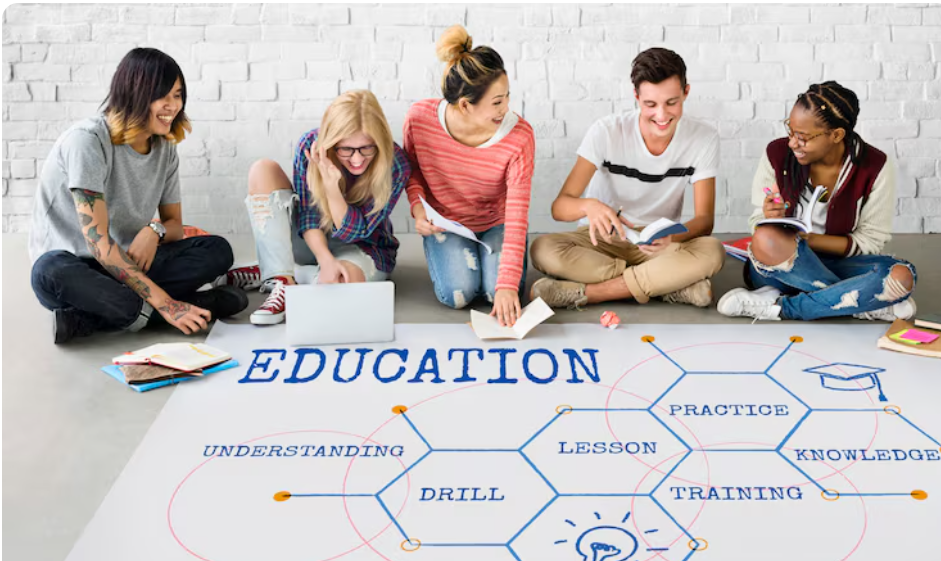
The education sector plays an important role in shaping individuals, communities, and society. As the demand for quality learning continues to grow, career opportunities in education are expanding across schools, colleges, universities, training centers, and online learning platforms. Education jobs offer opportunities for people with different skills, qualifications, and professional interests. Whether someone enjoys teaching, working with students, managing educational programs, or developing learning materials, there are many career paths to explore.
Education is no longer limited to traditional classroom teaching. Technology, digital learning, educational research, and student support services have created new opportunities for professionals. Understanding the different roles available can help job seekers choose a career that matches their interests and long-term goals.
Understanding Career Opportunities in Education
The education industry includes a wide range of professional roles. Teachers are among the most recognized professionals in this field, but many other employees contribute to the success of educational institutions. School administrators, academic counselors, librarians, special education specialists, and curriculum developers all play important roles.
Some professionals work directly with students, while others focus on planning lessons, managing institutions, or supporting educational operations. This variety makes education an attractive career option for people with different educational backgrounds and professional abilities.
The sector also offers opportunities in public and private institutions. Government schools, private academies, universities, nonprofit organizations, and online education companies regularly require skilled professionals.
Different Types of Education Jobs
There are several career options available in the education industry. Each position has different responsibilities, qualifications, and working environments.
Teaching Positions: Teachers help students understand subjects, develop important skills, and prepare for future opportunities. They may work in primary schools, secondary schools, colleges, or universities.
Administrative Positions: School administrators manage daily operations, maintain academic records, coordinate staff activities, and ensure that institutions follow educational standards.
Educational Counseling: Academic counselors guide students in selecting courses, planning careers, managing academic challenges, and making informed decisions about their education.
Special Education: Special education professionals support students with different learning requirements. They develop personalized learning strategies and create supportive educational environments.
Online Education: Digital learning platforms require instructors, course creators, instructional designers, and technical support specialists to deliver educational programs through the internet.
These roles provide different ways to contribute to student development and improve learning experiences.
Qualifications Required for Education Careers

Educational qualifications depend on the position and institution. Most teaching roles require a relevant degree in the subject area along with professional teaching qualifications or certification.
For example, primary school teachers may need specialized teacher training, while secondary school teachers generally require a degree in their subject. College and university positions may require postgraduate qualifications, research experience, or a doctoral degree.
Administrative and support positions may have different requirements. Candidates applying for school management roles often benefit from degrees in education administration, business management, or related fields.
In addition to formal qualifications, communication, organization, patience, leadership, and problem-solving skills are valuable. Professionals who can understand student needs and work effectively with colleagues often perform well in educational environments.
Skills That Help Professionals Succeed
Working in education requires more than academic knowledge. Professionals need a combination of personal and technical skills to create positive learning experiences.
Communication is especially important because educators regularly interact with students, parents, colleagues, and administrators. Clear communication helps explain difficult concepts and resolve misunderstandings.
Time management is another essential skill. Teachers and educational staff often manage lesson planning, assignments, meetings, student records, and other responsibilities.
Technology skills are becoming increasingly valuable. Many institutions use digital classrooms, learning management systems, educational applications, and online assessment tools. Professionals who understand these technologies can adapt more easily to modern learning environments.
Creativity, teamwork, flexibility, and emotional understanding also help educators build supportive relationships with students.
Benefits of Working in the Education Sector
A career in education can offer several professional and personal benefits. One of the biggest advantages is the opportunity to make a meaningful difference in people’s lives. Teachers and educational professionals help students develop knowledge, confidence, and practical abilities.
Another benefit is career diversity. Professionals can move between teaching, administration, counseling, training, research, and educational technology as their interests develop.
Many educational institutions also provide structured working schedules, professional development programs, and opportunities for career advancement. However, salaries, benefits, and working conditions vary depending on the employer, location, experience, and position.
For people who enjoy learning and sharing knowledge, the education sector can provide a rewarding long-term career.
How Technology Is Changing Education Careers
Technology has transformed how educational institutions deliver lessons and manage academic activities. Online classrooms, recorded lectures, interactive learning tools, and digital assessments have become common in many learning environments.
This development has created demand for professionals who understand both education and technology. Instructional designers develop digital courses, educational content writers prepare learning materials, and online tutors provide lessons to students in different locations.
Artificial intelligence is also influencing educational practices. It can help teachers prepare learning resources, organize information, and identify areas where students may need additional support.
Although technology can improve efficiency, qualified educators remain essential. Human guidance, encouragement, critical thinking, and personal interaction continue to play an important role in effective learning.
Tips for Finding the Right Education Career

Finding a suitable position requires research and proper preparation. Job seekers should first identify their interests, qualifications, and preferred working environment. Someone who enjoys interacting with children may consider school teaching, while individuals interested in technology might explore instructional design or online learning.
Candidates should prepare a professional resume highlighting relevant education, certifications, experience, and transferable skills. Building experience through internships, volunteering, tutoring, or assistant positions can also improve employment opportunities.
Checking school websites, university career pages, professional networking platforms, and online job portals can help candidates discover suitable vacancies.
Continuous learning is equally important. Attending workshops, completing professional certifications, and developing digital skills can improve career prospects.
The Future of Careers in Education
The future of education offers promising opportunities as learning requirements continue to evolve. Growing interest in online education, personalized learning, professional training, and specialized academic support is creating new career possibilities.
Educational institutions will continue to need qualified teachers, administrators, counselors, researchers, and technology specialists. Professionals who combine subject knowledge with communication and digital skills may find more opportunities in this changing environment.
The increasing focus on lifelong learning also means that education careers are expanding beyond traditional schools and universities into corporate training, community programs, and online learning businesses.
Conclusion
The education sector provides diverse career opportunities for individuals who want to contribute to learning and personal development. From classroom teaching and academic counseling to administration and digital course development, there are many professional paths to consider. Exploring different education jobs can help candidates identify roles that match their qualifications, interests, and career goals. With the right skills, relevant training, and a commitment to continuous improvement, professionals can build meaningful careers while supporting the growth and success of future generations.
| Read Also: Future Education: Emerging Trends |